Power International Export

 
Please Register For Wholesale Orders  Call +90 544 588 99 59 for help!
 

Emerging Turkish Architecture Trends Across Africa and the Middle East in 2026

Architecture is more than structure, it is identity, memory, and power expressed in space.
Across cities such as Lagos, Cairo, Riyadh, and Dubai, a visible shift is underway. Developers are moving away from anonymous “glass box” buildings toward designs that express cultural depth, climate intelligence, and long-term value.

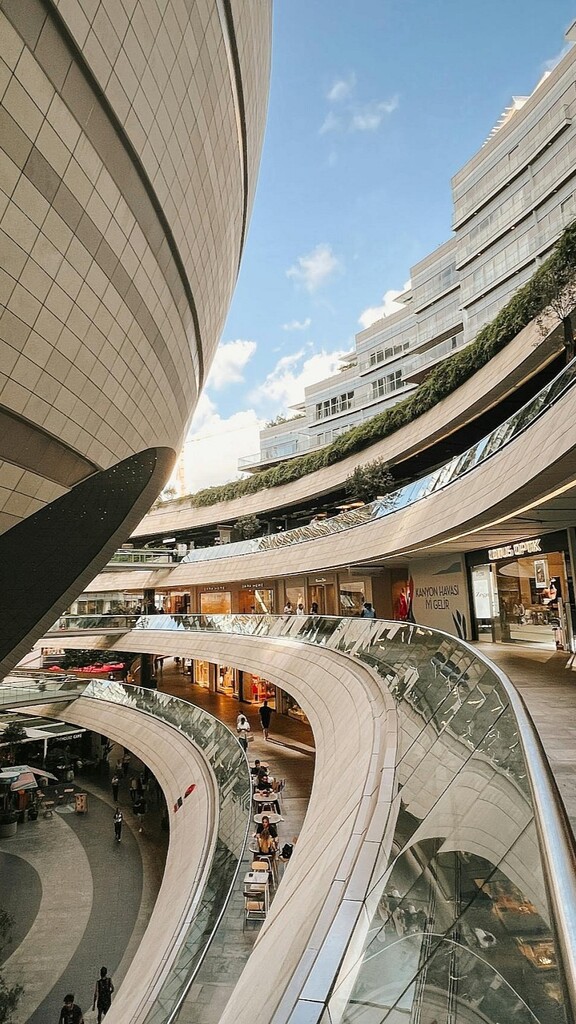
At the center of this transformation stands Turkey, whose contemporary architectural language has emerged as a compelling model for Africa and the Middle East. Often described as “Contemporary Ottoman”, this approach blends historical geometry, human-centered spatial planning, and modern construction technology.
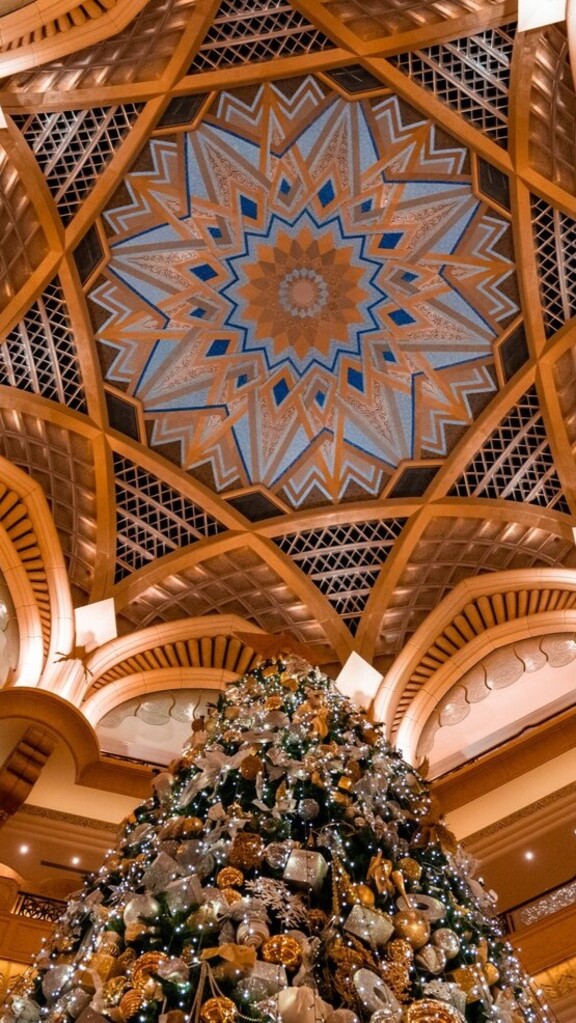
Table of Contents

1. The Geometry of Luxury: Identity Through Form

One of the most recognizable features of modern Turkish architecture is its use of geometry as a design language, rather than decoration alone.

Drawing inspiration from Seljuk and Ottoman relief traditions, Turkish architects reinterpret classical motifs, triangles, interlocking patterns, and rhythmic stone compositions, using modern materials and precision engineering.

These geometries serve multiple functions:

  • They create depth and shadow, enhancing facades under strong sunlight.

  • They break monotony, giving buildings a distinct visual identity.

  • They reference heritage without appearing historical or nostalgic.

In contrast to flat glass façades, this approach offers luxury through complexity and craftsmanship.

Application in materials:
This design philosophy translates directly into:

  • exterior doors with geometric paneling,

  • architectural cladding systems,

  • interior wall panels and partitions.

For luxury developers in the Middle East, these elements deliver a signature look that differentiates projects in competitive real estate markets.

Turkish Architecture

“Choose quality, affordability, and reliability for your next project.”

Turkish Architecture

2. Blending Heritage with Innovation: The “Quiet Luxury” Principle

Modern Turkish architecture is often described as quiet luxury”, a restrained elegance that prioritizes atmosphere over spectacle.

Unlike some Western minimalist trends that can feel cold or overly industrial, Turkish design emphasizes:

  • warmth,

  • human scale,

  • and collective experience.

This philosophy is deeply rooted in the legacy of Mimar Sinan, whose mosques and civic complexes were designed around light, proportion, and communal flow rather than monumentality alone.

Key characteristics:

  • Natural stone, marble, and timber combined with aluminum and smart glass

  • Interior courtyards that regulate temperature and create social spaces

  • Large openings and filtered daylight instead of sealed glass envelopes

For African and Middle Eastern climates, this approach is not only aesthetic, it is functional and climate-adapted.

4. Why This Matters for Developers and Investors

Turkish architectural styles

In a crowded real estate market, identity is value.

By integrating Turkish architectural elements and finishing materials, developers gain:

  • a recognizable East-meets-West aesthetic,

  • culturally resonant design language,

  • differentiation from generic international styles.

This translates into:

  • stronger brand positioning,

  • higher perceived quality,

  • and the ability to justify premium valuations.

In regions where architecture increasingly reflects cultural confidence and sustainability goals, Turkish design offers both emotional appeal and technical reliability.

3. Sustainability and Green Building Leadership

Turkish Architecture

Sustainability is no longer optional. Governments and investors across Africa and the Middle East increasingly require environmental compliance, energy efficiency, and lifecycle durability.

Turkey has positioned itself as a regional leader in this shift.

Why Turkey stands out:

  • Rapid adoption of green building standards in major cities

  • Strong manufacturing base for:

    • energy-efficient insulation systems,

    • thermal aluminum profiles,

    • smart access and security hardware

  • Alignment with European environmental regulations through production standards

Many projects in Istanbul and Ankara already comply with international sustainability benchmarks, and these technologies are now exported directly to emerging markets.

For developers, sourcing Turkish materials means:

  • easier compliance with sustainability requirements,

  • lower long-term operating costs,

  • improved building longevity.

Architecture as Strategic Identity

As Africa and the Middle East redefine their urban identities, Turkish architectural styles provide a rare balance:

  • heritage without imitation,

  • innovation without sterility,

  • luxury without excess.

By combining historical intelligence, modern engineering, and sustainable thinking, Turkey has become a strategic point for the next generation of cities.

“Choose quality, affordability, and reliability for your next project.”

FAQ

Modern Turkish architecture blends Ottoman and Seljuk geometric heritage with contemporary materials, sustainability principles, and human-centered spatial design.

Because it aligns culturally, adapts well to climate conditions, and offers a strong balance between luxury, functionality, and cost efficiency.

Yes. Turkish construction increasingly integrates energy-efficient materials, green certifications, and long-lasting building systems aligned with international standards.

Absolutely. Turkey has a strong industrial base capable of supplying large residential, commercial, and mixed-use developments.

Select the fields to be shown. Others will be hidden. Drag and drop to rearrange the order.
  • Image
  • SKU
  • Rating
  • Price
  • Stock
  • Availability
  • Add to cart
  • Description
  • Content
  • Weight
  • Dimensions
  • Additional information
Click outside to hide the comparison bar
Compare
Shopping cart close