Power International Export

 
Please Register For Wholesale Orders  Call +90 544 588 99 59 for help!
 

Importing Construction Materials from Turkey to the Middle East: 2026 Guide

Importing construction materials from Turkey to the Middle East has become a strategic advantage for developers and contractors in 2026.
As regional mega-projects accelerate and timelines tighten, sourcing decisions increasingly depend on logistics speed, regulatory compliance, and supply-chain resilience, not price alone.

Turkey’s unique position, geographically, industrially, and commercially, allows Middle Eastern buyers to access European-standard materials with short lead times and competitive wholesale pricing.
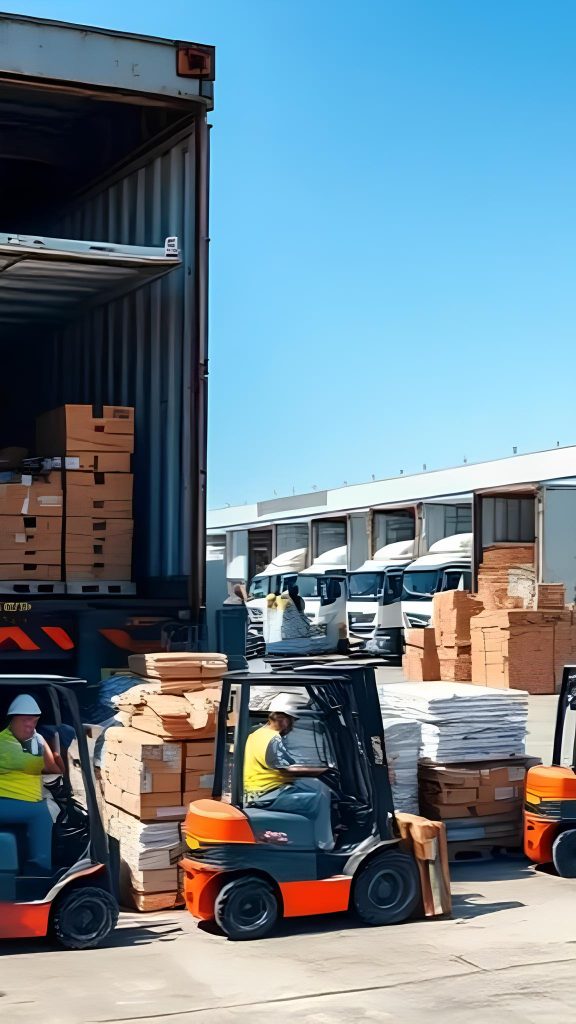

Table of Contents

Why Turkey Is a Strategic Sourcing Hub for the Middle East

Turkey has built one of the most diversified construction-materials manufacturing bases in the region, supplying products such as: ceramic tiles and sanitary ware, steel and aluminum systems, plasterboard and insulation, interior and exterior doors, smart access and security hardware.

Most export-oriented manufacturers operate under CE and ISO standards, which are widely accepted across Middle Eastern tenders and private developments.

For buyers in Saudi Arabia, United Arab Emirates, and Qatar, Turkey offers a rare balance:

  • compliance with high technical specifications,

  • flexibility in production and customization,

  • and faster delivery compared to East Asian sourcing.

“Choose quality, affordability, and reliability for your next project.”

The Strategic Logistics of Turkey-to-MEA Trade

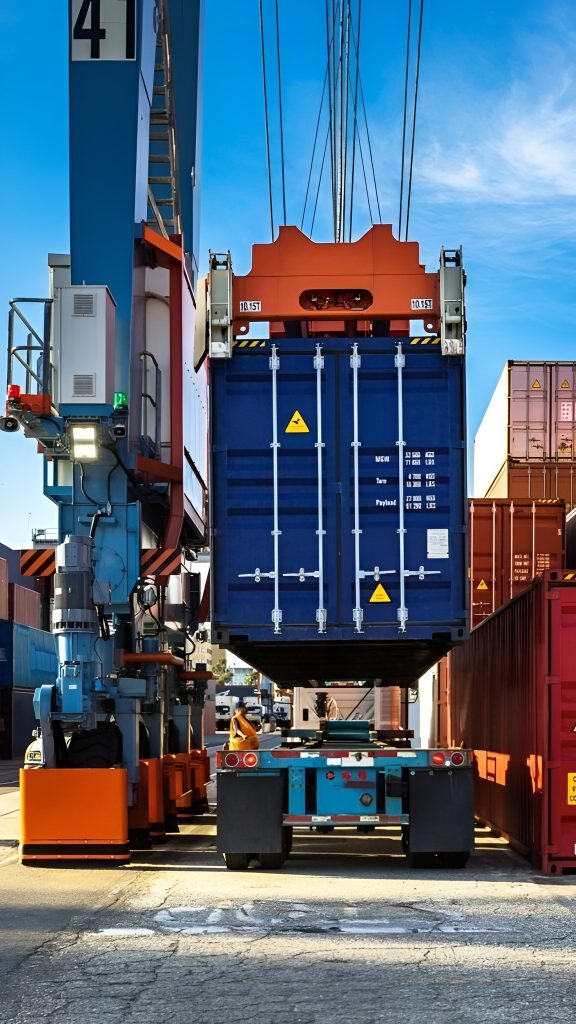
One of Turkey’s strongest advantages is logistics efficiency.

Lead Time Advantage

  • Average shipping time from Turkish ports to GCC ports: 7–14 days

  • Typical East Asia routes: 35–45 days

Major export ports such as Istanbul, Izmir, and Mersin are directly connected to Middle Eastern hubs like Jebel Ali Port and Jeddah Islamic Port.

Why this matters for projects

  • Faster site mobilization

  • Lower inventory holding costs

  • Reduced exposure to port congestion and transit delays

  • Less risk of damage to finishing materials (ceramics, glass, doors)

In large-scale developments, time saved in logistics directly protects ROI.

importing construction materials from Turkey

“Choose quality, affordability, and reliability for your next project.”

importing construction materials from Turkey

Customs & Compliance: Key Considerations for 2026

Middle Eastern markets are tightening compliance requirements, especially for public and semi-public projects. Turkish exporters are well positioned to meet these expectations.

Essential Documentation

For smooth customs clearance, shipments should include:

  • Certificate of Origin

  • Commercial invoice aligned with GCC requirements

  • Detailed packing list

  • Product conformity declarations (CE / ISO)

Standards Compatibility

Most Turkish construction materials:

  • meet European EN norms,

  • align with GCC technical specifications,

  • are already used in MEA mega-projects.

This reduces the risk of:

  • re-inspection delays,

  • rejected shipments,

  • or on-site compliance issues.

Optimizing Your Supply Chain for Maximum ROI

Smart sourcing is not only about where you buy, but how you ship.

Mixed Container Strategy

One of the most effective optimization methods in 2026 is mixed container loading:

  • Combine bulk materials (plasterboard, profiles)

  • with high-margin finishing products (doors, hardware, smart locks)

Benefits

  • Lower freight cost per unit

  • Better container utilization

  • Reduced number of shipments

  • Improved cash-flow efficiency

Turkish suppliers are known for their flexibility in preparing project-specific mixed containers, something mass-production exporters often cannot offer.

importing construction materials from Turkey

Risk Management & Supply-Chain Stability

Beyond cost and speed, Turkey offers supply-chain predictability:

  • diversified industrial ecosystem,

  • strong export banking and documentation systems,

  • long-standing trade relationships with the Middle East.

In an environment where global disruptions remain a risk, this stability is increasingly valued by developers and procurement teams.

Why Turkey Makes Strategic Sense in 2026

For Middle Eastern developers and contractors, importing construction materials from Turkey is no longer an alternative, it is a strategic choice.

Turkey combines:

  • European-grade quality,

  • short and reliable logistics routes,

  • compliance with regional standards,

  • and flexible, project-oriented supply chains.

In 2026, these advantages translate into faster projects, controlled costs, and reduced operational risk.

FAQ

Most shipments from Turkish ports such as Izmir or Istanbul reach GCC ports within 7 to 15 days, depending on destination and carrier.

Yes. Most Turkish manufacturers follow CE and ISO standards, which align well with GCC and MEA project requirements.

Absolutely. Turkey has the industrial capacity to supply large residential, commercial, and infrastructure projects, while still offering customization flexibility.

Yes. Many Turkish exporters specialize in mixed container solutions, helping buyers optimize freight costs and logistics efficiency.

Select the fields to be shown. Others will be hidden. Drag and drop to rearrange the order.
  • Image
  • SKU
  • Rating
  • Price
  • Stock
  • Availability
  • Add to cart
  • Description
  • Content
  • Weight
  • Dimensions
  • Additional information
Click outside to hide the comparison bar
Compare
Shopping cart close